Aries
The Emperor — initiative, structure and directed action.
Tarot + astrology
Astrological correspondences are part of several Tarot traditions. They are useful as a study framework, but different schools assign some cards differently.
The Emperor — initiative, structure and directed action.
The Hierophant — values, tradition and established learning.
The Lovers — choice, communication and values.
The Chariot — direction, protection and emotional determination.
Strength — courage, compassion and inner control.
The Hermit — analysis, solitude and careful learning.
Justice — balance, fairness and decisions.
Death — transformation, release and renewal.
Temperance — integration, moderation and perspective.
The Devil — attachment, ambition and awareness of constraints.
The Star — ideals, renewal and wider perspective.
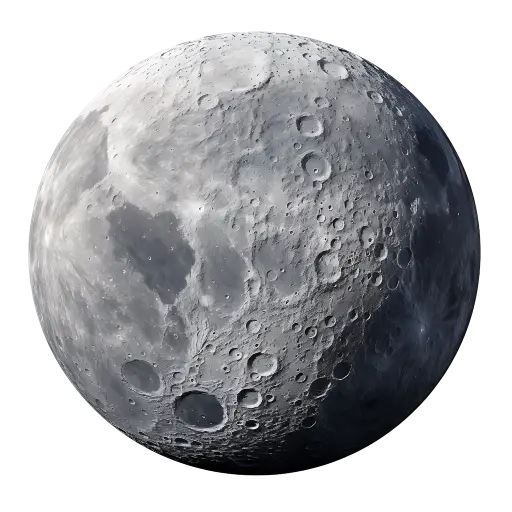
The Moon — imagination, uncertainty and the subconscious.
Emotion, relationships, receptivity and intuition.
Drive, creativity, energy and initiative.
Thought, communication, conflict and analysis.
Resources, work, body, routine and practical reality.
Instead of treating lunar phases as guarantees, use them as a recurring journaling structure:
Pair each phase with one card and compare your notes later. The value is in the review, not in assuming the phase causes a particular outcome.
Astrology groups the twelve zodiac signs into four elements. Tarot readers often compare these elements with the four Minor Arcana suits. This is a useful symbolic framework, not a universal rule: decks and interpretive schools may use different systems.
Fire is commonly associated with action, enthusiasm, courage and creative momentum. In Tarot, it is often compared with the suit of Wands.
Earth is associated with material needs, stability, resources and practical effort. It is commonly compared with Pentacles.
Air is linked with thought, language, ideas and decision-making. It is commonly compared with Swords.
Water is associated with emotion, intuition, relationships and inner experience. It is commonly compared with Cups.
Start with the card's usual meaning and the position it occupies in the spread. Only then consider whether an astrological association adds a useful layer. For example, an element can suggest whether a situation is being approached through action, practical concerns, analysis or emotion. It should not override the question or the details of the reading.
If several cards from one suit appear together, the repeated element may be a useful theme to notice. You might ask whether the reading is especially focused on feelings, practical matters, communication or motivation. Compare that observation with the actual circumstances rather than treating it as a fixed prediction.
The twelve sign-to-card pairings shown above are commonly used in modern esoteric Tarot systems, but they are not the only correspondences found in Tarot literature. Some systems also assign planetary and elemental associations to other Major Arcana cards. Historical decks were not all designed around one shared astrological scheme, so it is helpful to identify which tradition a source is using.
When learning a new deck, follow its guidebook or the creator's stated system consistently before mixing correspondences from different sources. Our Tarot history guide explains how occult interpretations developed after Tarot's earlier use as a European card game. You can also explore Tarot symbolism and Tarot numerology as separate interpretive frameworks.
This approach keeps astrology and Tarot as tools for structured reflection while leaving room for different traditions and personal interpretations.